
A Guide to Choosing the Best VR Headset for You (2020 Edition)
This article was automatically translated from Japanese by AI. Read the original Japanese version →
Table of Contents
For the most part, the article below covers everything fine, but I'd like to add some extra notes anticipating points where actual users might get stuck.
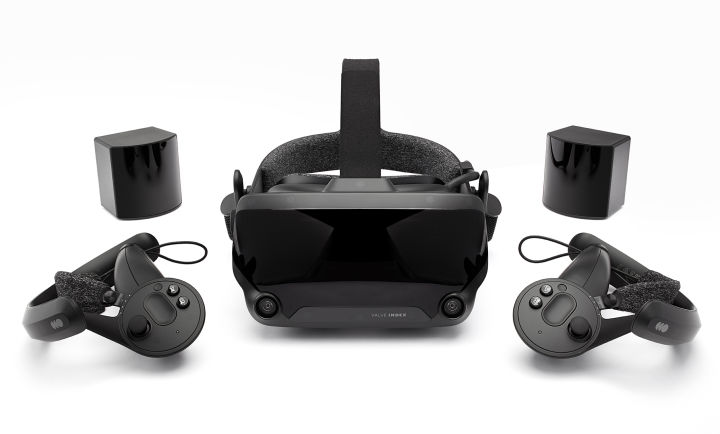
In this article, I'll skip the detailed specs of each VR device, since you can easily look those up.
First, here are my recommendations:
- Have a gaming PC
- Plan to do full-body tracking => HTC Vive Pro or Valve Index
- Don't plan to do full-body tracking => Oculus Rift S
- Have a PS4 => PlayStation VR
- Have neither => Oculus Quest
For reference, my current main headset is a PCVR Valve Index.
Until last year it was the Oculus Rift. I have no intention of doing full-body tracking.
If you have a PC, why Rift S instead of Oculus Quest?
To begin with, the Oculus Link feature that connects an Oculus Quest to a PC is still in beta and unstable. "Unstable" covers a wide range of reports and realities, so it's hard to generalize, but if you're paying the same amount of money, I think it's better to buy a Rift S first. Play comfortably without worrying about whether things will work, choose from a huge library of content, and if you still find yourself wanting portability or wireless play after that, you can buy a Quest too.
If you buy a Quest, hook up Oculus Link, and run into issues, you'll probably end up thinking, "Why do I have to worry about hardware compatibility and buy special cables just to play a game?"—and even researching compatibility problems beforehand brings on that same feeling. Honestly, that's exhausting.
Looking at the Quest on its own, its game lineup doesn't come close to PCVR. If you already own a gaming PC, I honestly can't recommend starting VR gaming with a Quest.
Even if you have a PS4, isn't Oculus Quest better than PSVR?
Fair point. That's a tough call.
First, one thing to watch out for with PSVR is that quite a few games require two PS Move controllers. They cost around 5,000 yen each. Considering PS VR itself runs around 30,000–35,000 yen, the total comes out to about 45,000 yen—at which point you're pretty close to the price of a Quest.
The game lineups on PSVR and Quest are also quite different. Both have fewer games than PC VR, and their catalogs have very different characters. I'd encourage you to check the actual lineups for details, but roughly speaking, Quest has more indie-style titles, while PSVR tends to have more big IPs and major established publishers.
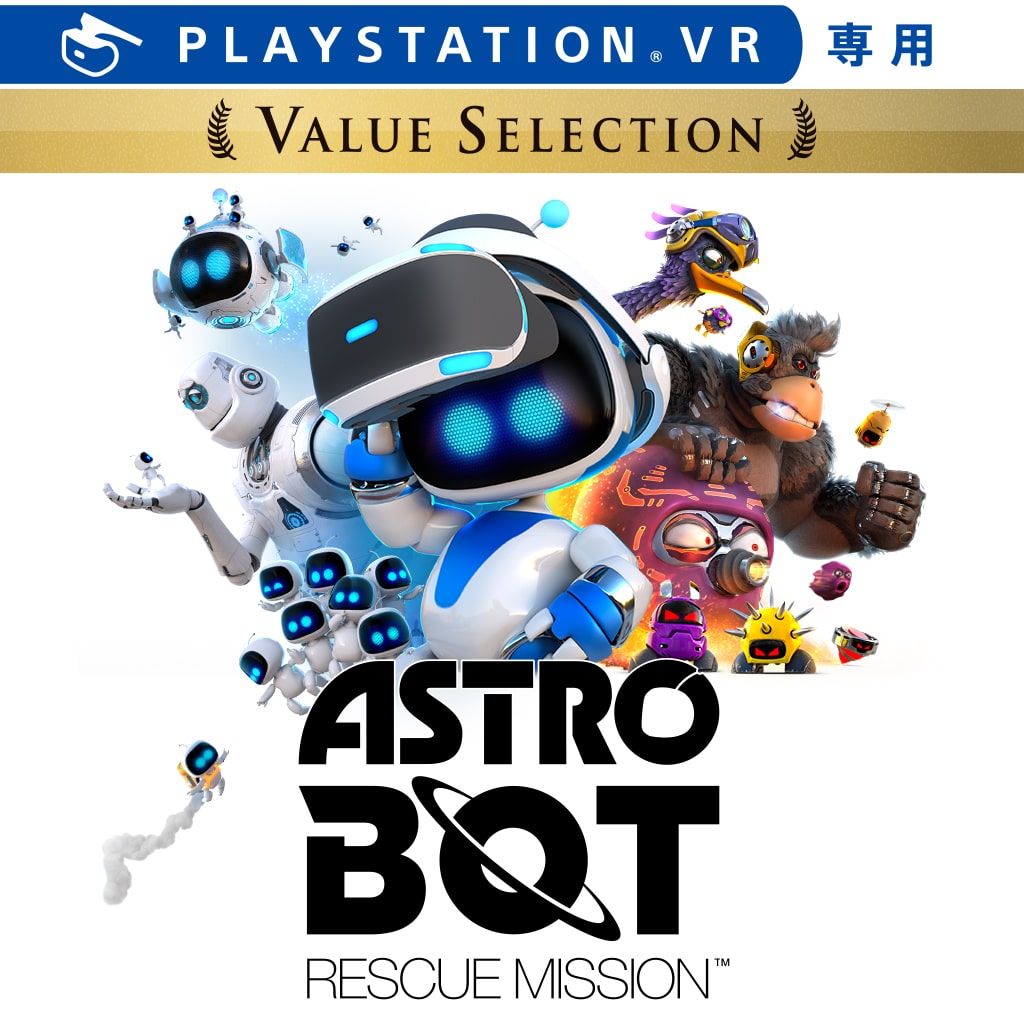
ASTRO BOT: RESCUE MISSION was developed by SCE and is so well-made that I bought a PSVR almost solely for this game. And it doesn't require PS Move controllers.
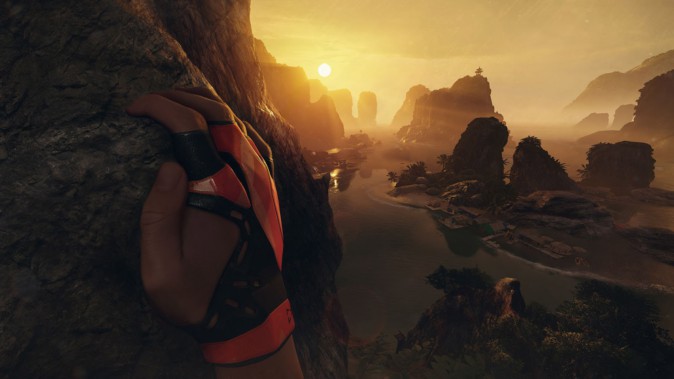
Conversely, Oculus-exclusive games like The Climb can only be played on Quest or Rift S.
It really comes down to the lineup, so look at the games available and pick based on your taste.
If you have a PC, is Oculus Rift S enough? What about HTC Vive or Valve Index?
Comparing these three requires getting a bit into technical details. There are differences in resolution, lens characteristics, and so on, but I'll skip all that and stick to the easy-to-understand points.
The Valve Index and HTC Vive (Pro) use outside-in tracking sensors, so you have to mount base stations in your room. There are ways to do this even in rental apartments, so you should first check whether you can clear that hurdle.
Safe for Renters Too! How to Neatly Wall-Mount HTC VIVE Base Stationsdospara.co.jp
On the other hand, you can add extra trackers to this setup. If you want—or think you might want—to buy Vive Trackers for VTuber activities or full-body tracking in VRChat, then you should go with one of those headsets.
[VRChat] Recommended Ways to Strap HTC VIVE Trackers to Your Waist and Feet!qoochan.com
The Oculus Rift S and Vive Cosmos don't require mounting external sensors. If you're buying a VR headset today, those are far easier to set up.
Frankly, there isn't a huge difference between the Oculus Rift S and the Vive Cosmos, so I recommend the Rift S because it's cheaper and I like the design of its controllers better.
Why I bought the Valve Index
I was drawn in by the uniqueness of the Index controllers and ended up buying it. I had already been using an Oculus Rift with external sensors, so I already had a setup worked out for mounting outside-in sensors.
Honestly, I wouldn't recommend the Valve Index to someone just starting VR gaming now. Controllers that track all five fingers individually are neat, but hardly any games actually make use of it. I hope more games do in the future, though choosing a headset is tricky.
That said, as I mentioned earlier, if you have full-body tracking in mind, your choices basically narrow down to this or the HTC Vive Pro, and the price difference between them isn't huge. In that case, it's worth considering.
That's all—I hope this article helps with your shopping decision.