
My Thoughts on the Apple Vision Pro
This article was automatically translated from Japanese by AI. Read the original Japanese version →
Table of Contents
At long last, Apple's VR device, the "Apple Vision Pro," has been announced.
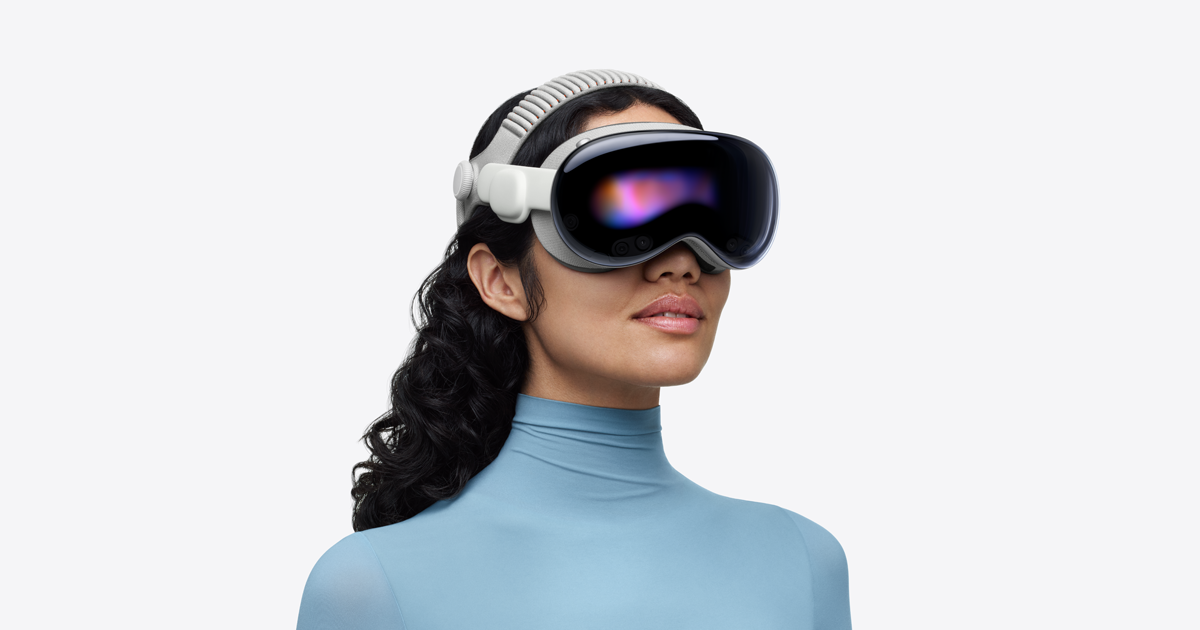
I'll leave the detailed specs to the official website and share my personal impressions in this post. I considered just posting a thread on Twitter, but my thoughts ended up running quite long, so I turned them into a blog post instead.
A Standalone VR Device
The first notable characteristic is that it's a standalone VR device, similar to the Meta Quest. Since fans of Apple products generally already own an iPhone, iPad, or MacBook, they could easily have designed it as an external display device like the XREAL Air. Instead, Apple chose to make it an all-in-one VR device. That feels like a pretty big decision—watching the trailer, it's clear they intend to position the Apple Vision Pro as a device that replaces a MacBook or iPad.
VR as a Work Environment
Most existing VR devices seem to focus their marketing on games, watching movies, or social VR platforms like VRChat, whereas Apple is pushing VR as an everyday workspace. With existing devices, it's like taking what you'd cobble together with a Meta Quest 2 + Immersed + MacBook and delivering that whole environment inside a single device.
ImmersedHave your desktop in VR on Mac, PC, and Linux with Immersed!immersed.com
The Meta Quest Pro was marketed with a somewhat similar vibe, so I see the Apple Vision Pro as following in that direction. That said, judging from the trailer, Apple—being the maker of macOS and iOS—looks to be a step ahead when it comes to building a tightly integrated environment.
Meta Quest Pro: Our Most Advanced VR Headset Yet | Meta Storemeta.com
Having the M2 chip alongside the R1 chip (details still scarce) means apps built for MacBook and iPad will likely be broadly compatible, and in that sense too, Apple is playing its cards very smartly.
Immersion and Stereoscopic 3D Take a Back Seat
One thing that stood out to me while watching the trailer was that there were almost no scenes emphasizing stereoscopic 3D or immersion. Almost everything shown was flat 2D screens floating in space, with the meditation scene being about the only part with real depth.
If they're positioning it as a convenient device that replaces a MacBook or iPad, then deep immersion isn't really necessary—they probably decided it's better to pitch it as "a super convenient way to put huge screens in midair!" There was barely any mention of gaming or social VR either. Given the current state of the VR landscape, that's another bold call.
Odds and Ends
They showed off controlling everything with hand gestures and no controllers at all, though I'm a bit skeptical about whether that will actually feel comfortable and reliable in practice.
Whether you're working or browsing the web, you're going to need text input like a keyboard, yet they didn't really touch on that. Are we supposed to type on a virtual keyboard floating in the air?
The price is steep at just under 500,000 yen, though considering it packs an M2 + R1 chip, thinking of it as buying a MacBook plus a high-end headset makes it somewhat palatable. Apple products are usually 30–50% pricier than the going rate anyway...
With the release slated for next year, there's still plenty of time, so more details will surely trickle out before long. Those are my impressions for now. Until next time!