
Products That Caught My Eye at CES 2026
This article was automatically translated from Japanese by AI. Read the original Japanese version →
Table of Contents
Today I'd like to casually introduce some products that caught my eye at CES 2026, one of the world's largest consumer electronics and technology trade shows, recently held in Las Vegas.
Since I wrote a similar post last year, let's start by looking back at the devices I featured back then and how things turned out around them.
Looking Back at Last Year
Mudra Link
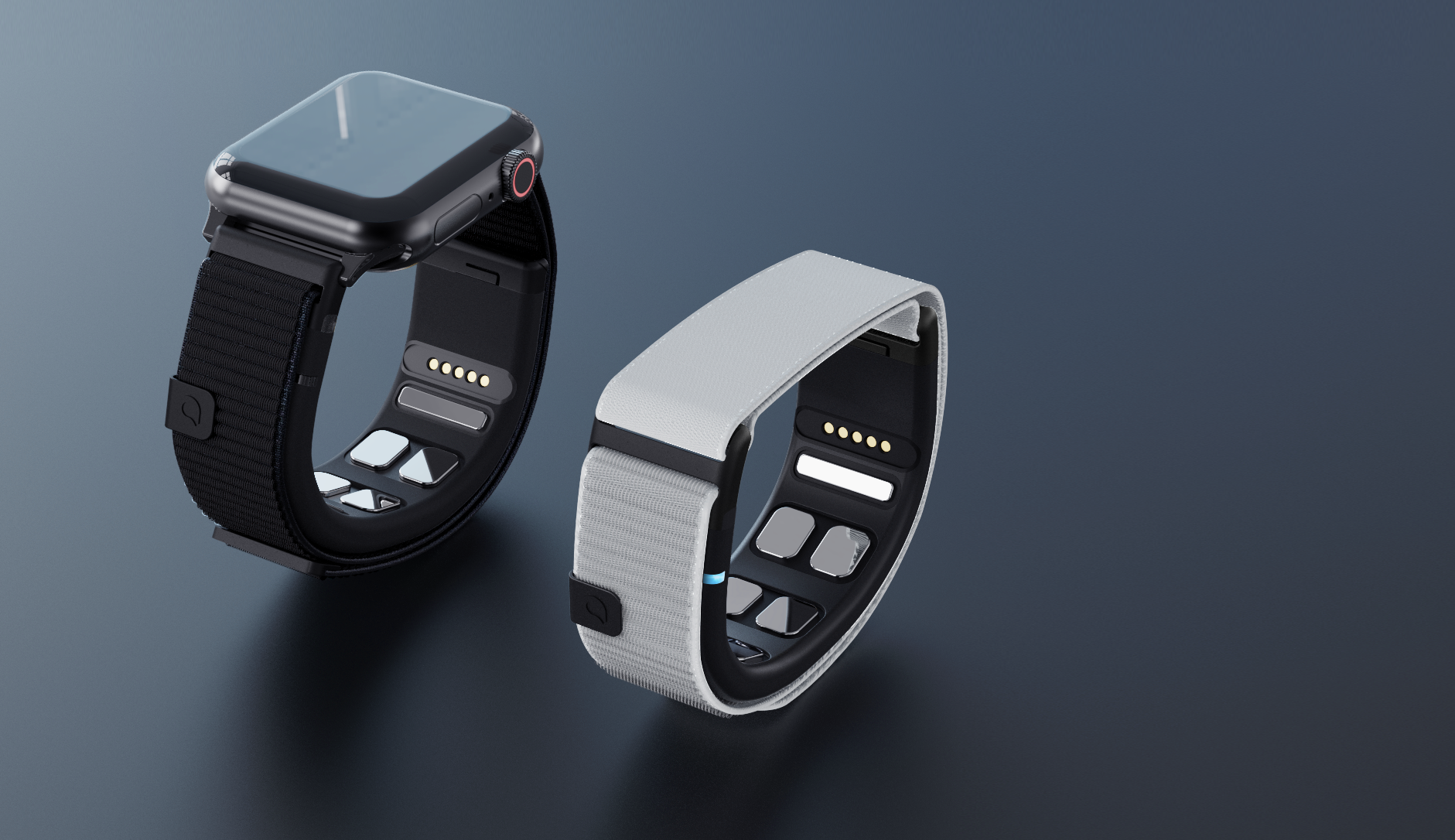
This was the wristband that detects nerve signals with sensors so it might replace your mouse. It has launched, though I haven't bought one. I actually had pretty high hopes for it, but post-launch reviews haven't been great and there hasn't been much follow-up news, so unless something changes I'll probably pass on it altogether.
Legion Go S
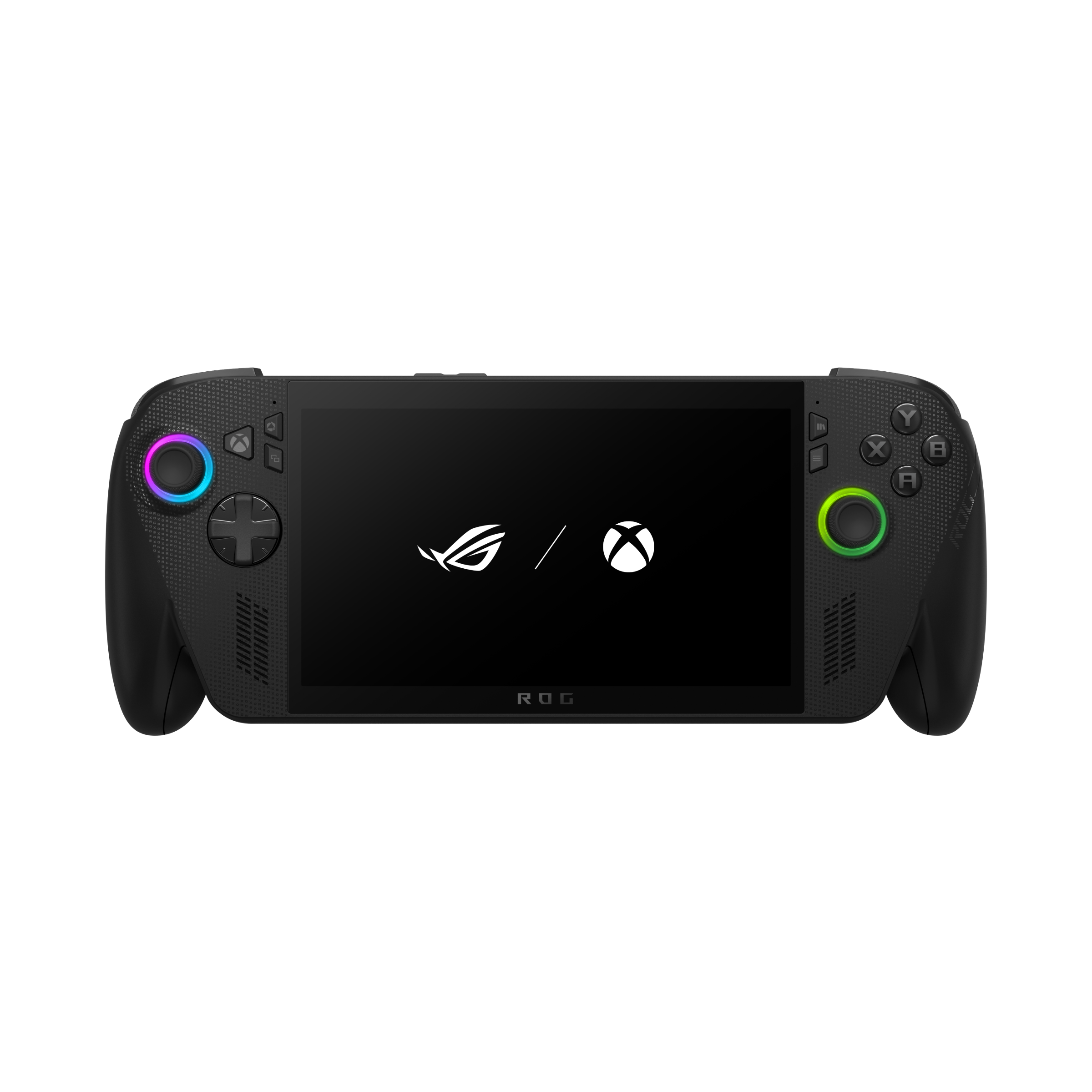
The handheld gaming PC running SteamOS. It came out, and I didn't buy it either. From what I can see around me, people who want this kind of device are still just buying a Steam Deck, and I honestly don't get the impression the Legion Go S is selling all that well. In the portable gaming space, the ROG Xbox Ally generated a lot of buzz, so that felt like the more notable move. Like I wrote in last year's post, I'm happy with my Steam Deck, so I'm keeping an eye on the news while holding off for a while longer.
inkposter
An art-canvas-style display using color e-paper. Following that same trend, SwitchBot launched the AI Art Canvas. Going with a product from a larger, established company feels safer, so if I buy one, I'm leaning toward that one.
SwitchBot AI Art Canvas | Everyday Masterpieces Drawn by AI – SwitchBot
It strikes a pretty clever set of compromises: since it's still color e-paper, the colors are decent at best; and because it prioritizes being cordless with long battery life, it doesn't stay permanently connected to Wi-Fi, meaning you can only store a few images on it. Whenever you want to swap the picture, you have to explicitly do it from the smartphone app—you can't link it to Google Photos to run an automatic slideshow.
Even so, being able to hang art you like and swap the picture whenever you feel like it is still pretty appealing. As for pricing, 60,000 yen for the 13.3-inch model is pricey, sure, yet it's crossed into realistic territory where regular consumers can actually consider buying one.
Products Catching My Eye in 2026
Now let's dive into the products from CES 2026 that stood out to me. I'm not particularly interested in cars, robots, or robot vacuums, so this leans heavily toward gaming, though it was another eventful CES overall. Here are the three I found most intriguing.
LEGO Smart Play System
I thought it was brilliant how they packed all these features into a 2x4 brick while firmly refusing to include anything like screen time that would distract from the core LEGO experience. That clarity of focus is impressive.
Part of me thinks it'd be fun to buy and play with, though as a kid I wasn't actually much into LEGO myself. I wasn't very interested in building characters or buildings—I preferred playing with larger blocks, setting them up like dominoes to knock over. Once my kid gets a bit older and reaches LEGO age, I'll think about it.
ROG XREAL R1
ASUS Republic of Gamers Announces ROG XREAL R1 AR Gaming GlassesROG XREAL R1: Worldpress.asus.com
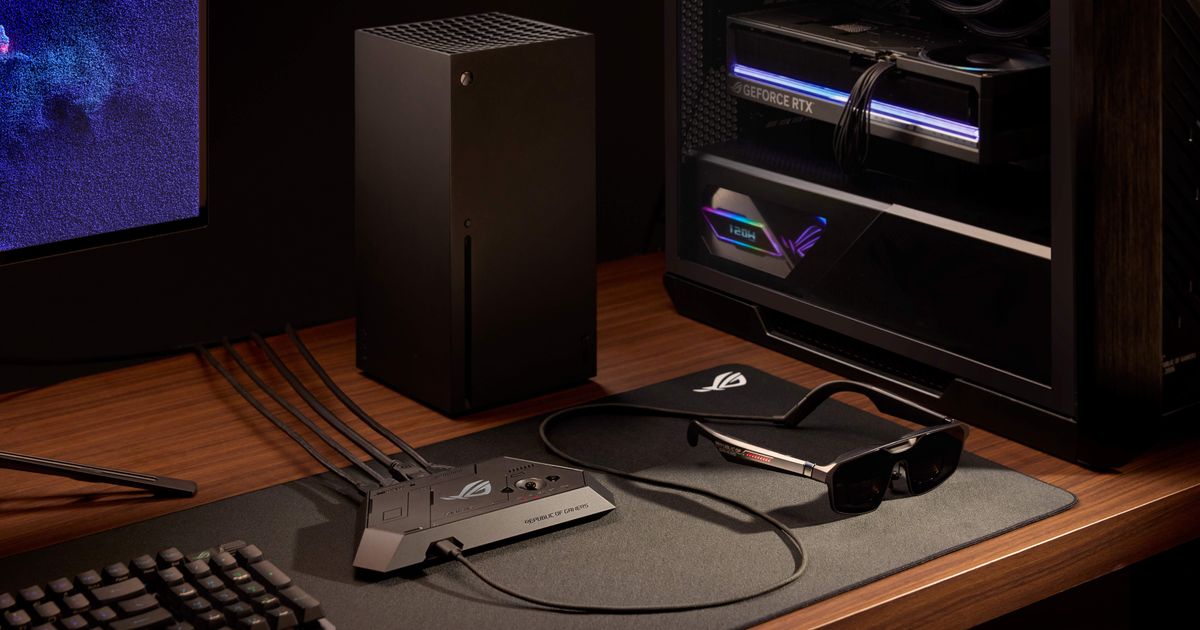
I never expected to see AR glasses marketed squarely as a gaming device. While the resolution is Full HD, the refresh rate hits 240Hz, so if you take the spec sheet at face value, it checks the boxes you'd expect from a gaming monitor.
At the same time, I can't help feeling pretty skeptical. Gaming monitors are meant to be used for fairly long stretches, so I have tons of questions: can you actually wear these comfortably that long, how easy is the screen to read, is there latency, how good is the audio, and so on.
I'm also not entirely sure where this product fits in. If it were somehow more comfortable than a regular gaming monitor, it could replace one—though realistically I doubt that'll happen. And if it's meant more for casual, quick play sessions, then wouldn't a regular pair of AR glasses do the job just fine?
RAZER PROJECT AVA

Fitting all the hardware interfaces for an AI companion into a cylinder roughly the size of a tea canister struck me as a really neat idea. It's a unique and fun way to use a 3D hologram, so if the software and content side clicks, I could see it catching on.
What's clever about this product is that the device itself is basically just an interface—packing only the 3D hologram unit, mic, speaker, and camera—while offloading all the AI and I/O processing to the connected PC. Because of that, the device itself shouldn't end up terribly expensive. Conversely, it assumes you already own a fairly capable PC. It's the kind of design only a gaming hardware maker like Razer could pull off.
Summary
And that wraps up the CES 2026 products that caught my eye. Plenty of other interesting devices beyond what I mentioned here were announced too, so definitely go check out other tech outlets and YouTube videos as well.