
My Hay Fever Countermeasures Summary (2026)
This article was automatically translated from Japanese by AI. Read the original Japanese version →
Table of Contents
Pollen season is entering its second half—how is everyone holding up? Just when it seems like cedar pollen has peaked, cypress pollen kicks into high gear, leaving no room to let our guard down.
Hay fever isn't just an annoying allergy; sneezing and a runny nose sap your focus, itchy eyes cause constant discomfort, and poor sleep drags down your Quality of Life (QoL) across the board. Every year around this season, I find myself figuring out how to stay comfortable and keep my QoL intact.
In this post, I'm rounding up the items and habits I've settled on after years of trial and error. Everyone's symptoms and living situations are different, of course, but I hope this gives you a few helpful ideas for your own pollen routine.
Face Masks
The first line of defense against pollen is a good mask. Right now, my go-to is made by SHARP.
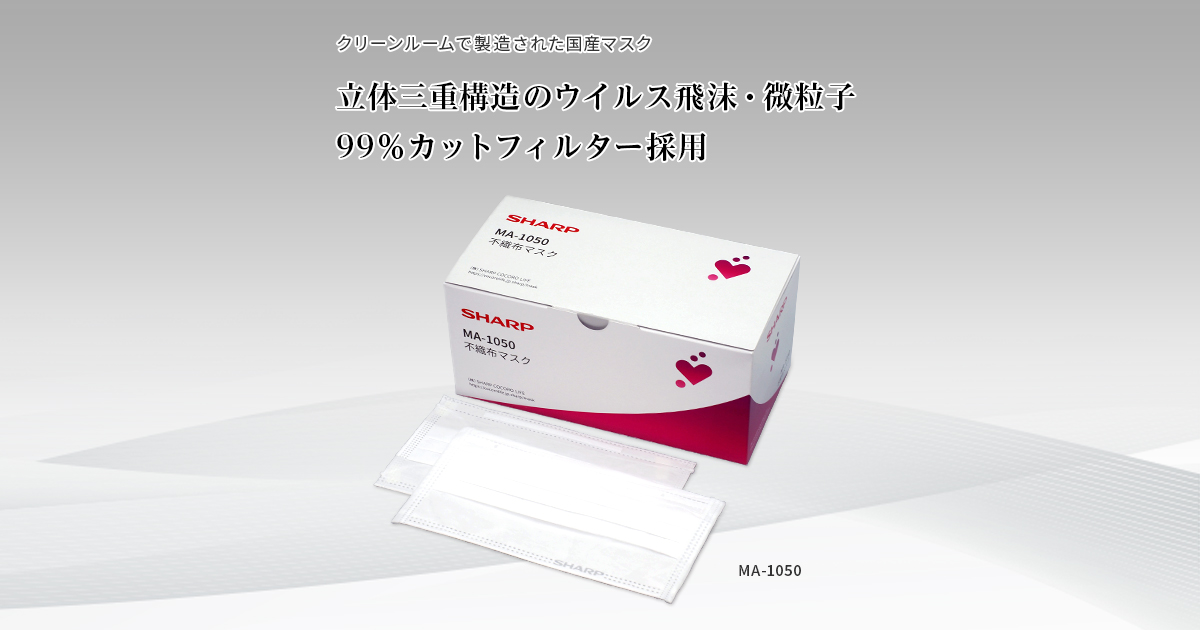
To give a little backstory on my mask journey: I used to wear a Philips mask with a built-in electric fan. It had a tiny fan inside that actively ventilated the mask, dramatically cutting down on stuffiness. Being able to block pollen while still breathing fresh air made it indispensable, though sadly it was discontinued.
It's always a shame when a great product disappears from the market, and it forced me to rethink my everyday mask. My main criteria for choosing one are these three points:
- Easy to breathe through
- Effectively blocks pollen (a tight seal and reliable filtration)
- Doesn't fog up my glasses easily
After searching for something that checked all those boxes, I landed on SHARP's masks. I started out using their 3D-structured Crystal Mask, though the unit price was admittedly steep, so I switched to their standard pleated version.
Even so, the cost per mask is a bit higher than typical store-bought disposables. Still, considering it's something you wear for most of the day, cutting corners here translates directly into daily stress. Avoiding breathing discomfort and fogged-up glasses has an immediate impact on everyday QoL, so I consider it money well spent.
Anti-Pollen Glasses
To keep pollen out of your eyes, dedicated protective glasses are essential. On that front, I'm still using the anti-pollen glasses I wrote about on this blog before.
Unlike regular glasses, these have silicone or plastic shields around the lenses that seal the gap against your face. That physically blocks airborne pollen coming in not just from the front, but from above, below, and the sides as well.
I've been wearing them for several years now and have zero complaints about their protection. Whether I wear them when heading outside makes a night-and-day difference in how itchy my eyes feel once I get home.
If there's one downside, it's that they're heavy. Because of the extra wraparound shields, they weigh more than normal frames, and wearing them for long periods can put some strain on the bridge of your nose or behind your ears. They also lean a bit toward a goggle look, so you do sacrifice some style.
That said, when I weigh a bit of extra weight against intense eye itching and the resulting drop in concentration, it's an easy trade-off to accept. I treat them as seasonal "armor" for pollen season and let them keep my eyes protected.
Window Screen Pollen Filters
For indoor pollen control, one addition that has made a huge difference for me is a pollen filter for window screens. I use the one made by Nitoms.
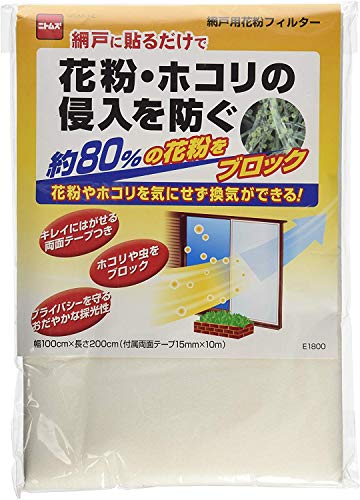
Spring brings mild weather, warm sunshine, and pleasant breezes. Normally you'd want to throw open the windows to air out the house, but for anyone with hay fever, opening a window is basically inviting a cloud of allergens straight into your room. For years, that meant keeping every window shut tight all spring and running air purifiers at full blast—a pretty stifling way to live.
This screen filter solved that dilemma. Setup is straightforward: you use the included double-sided tape to attach a special non-woven filter sheet directly over your existing window screen. The filter traps fine pollen particles, letting you open the window without flooding your room with pollen. Being able to ventilate freely without worrying about the daily pollen forecast has made indoor life way more comfortable.
That said, actually living with it does come with a couple of drawbacks.
First, putting it up is quietly a hassle. Wiping down the screen, lining up the double-sided tape straight, and pulling the filter taut without any sag takes a fair amount of time and effort.
Second, because the mesh is so fine, it noticeably restricts airflow. That's an unavoidable trade-off for blocking pollen, of course, but on warmer spring days when you want a cool breeze indoors, a light wind barely makes it through. As a result, heat tends to build up inside, which can get a bit uncomfortable.
Even so, being able to bring in fresh outdoor air and oxygen while keeping pollen out is a huge win that more than makes up for those downsides.
Nasal Strips
Among all hay fever symptoms, the one that hurts daytime performance the most is poor sleep caused by nasal congestion.
If your nose is stuffed up when you go to bed, you end up breathing through your mouth without realizing it. Mouth breathing dries out your throat—leaving it sore and scratchy in the morning—and leads to shallow sleep, followed by brutal drowsiness and fatigue the next day.
To combat nighttime congestion, I swear by nasal strips. They're wonderfully low-tech yet effective: a strip with a springy plastic band sticks across the bridge of your nose, physically pulling your nasal passages outward to widen the airway.
Unlike medication, there are no side effects to worry about, and breathing gets noticeably easier the instant you put one on. It won't clear your nose 100%, of course, but going from "zero airflow" to "at least some nasal breathing" makes a massive difference in sleep quality.
Various companies make nasal strips, and personally I haven't noticed much difference in quality or performance from one brand to another. Because the mechanism—a strip of plastic gently lifting the sides of the nose—is so simple, pretty much any brand gets the job done. I don't stick to a specific label; I just grab whatever catches my eye at the drugstore.
Prescription Medication from an ENT
Everything I've mentioned so far is about physically blocking pollen or easing symptoms on the surface. To actually calm the allergic reaction triggered by pollen that still makes it into your body, prescription medication from a doctor is indispensable.
Every year, before pollen season even kicks off, I visit an ENT clinic to get eye drops, oral medication (like antihistamines), and a nasal spray prescribed.
Over-the-counter allergy meds have gotten pretty good lately, too, but I have a specific reason for making the trip to an ENT: I'm very prone to developing sinusitis (sinus infections).
Because of that, it's important for me not just to pick up refills, but to have a doctor periodically look inside my nasal passages in person. Having a specialist check mucosal swelling and mucus lets them tell whether it's purely an allergy flare-up or the early signs of sinusitis—and prescribe antibiotics or additional treatment if needed.
Closing Thoughts
And that covers my entire pollen defense lineup right now.
Masks and glasses physically block pollen, screen filters keep an indoor safe zone, nasal strips protect my sleep, and ENT prescriptions tamp down inflammation from the inside. Combining all of these doesn't give me a 100% pollen-free life, of course, but it keeps my QoL at a level where work and daily routines aren't derailed.
Hay fever is tough to cure outright, yet finding the right tools for your symptoms and layering them together can take a huge edge off the misery.
If you're still battling pollen right now, I hope this gives you a few ideas for a more comfortable spring. Let's hang in there with solid prep and make it through the rest of the season!