Tamagotchi Smart: Differences from the Previous Model and Gameplay Tips
This article was automatically translated from Japanese by AI. Read the original Japanese version →
Table of Contents
A new entry in the Tamagotchi series came out, so I bought it right away. I managed to get one through the pre-order lottery, so it arrived on August 26 and I've been playing it since.
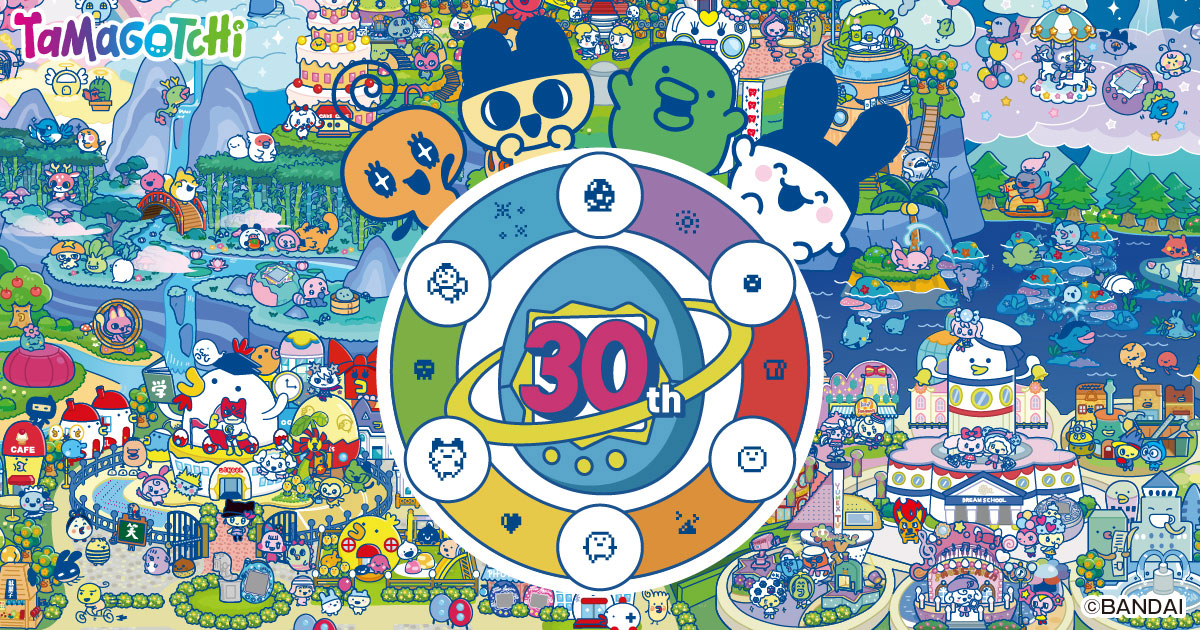
Since it's faster to check the product page for all the detailed specs, I'll leave that to the site and use this post as a quick memo covering how it differs from the previous Tamagotchi Meets (Tamagotchi On) and a few easy-to-miss details.
Controls
Overall controls have switched from the classic three buttons to a touchscreen. Of the three buttons that have been a staple since the original Tamagotchi, only the middle one actually works now—the left and right buttons are purely decorative.
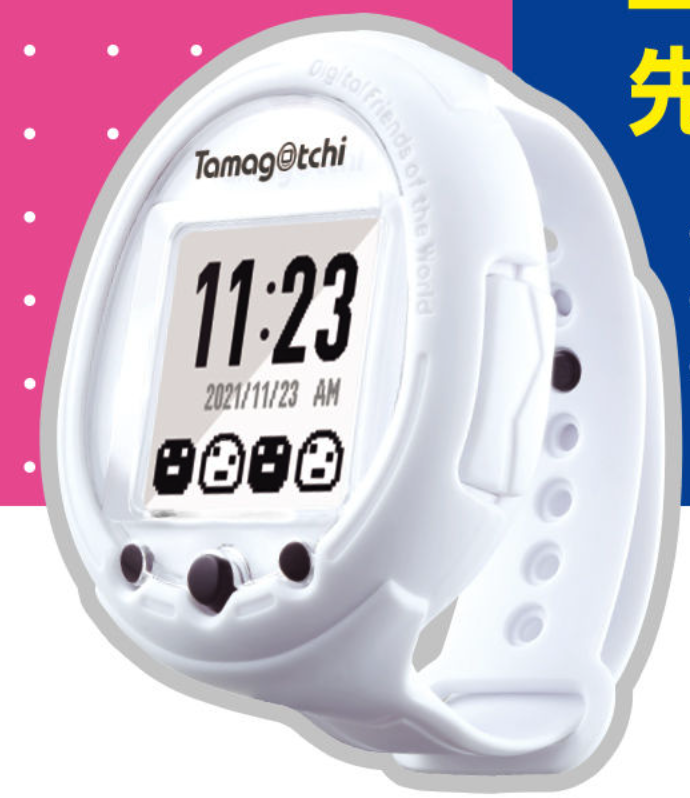
Because of that, you end up swiping to slide (scroll) the screen quite a bit. Some screens clearly indicate that you can swipe, while others leave out any visual cue, so be sure to read the instruction manual before playing. For some reason there's no link to it from the official site, but if you want to check it out, you can view it here. (This is the manual for the 25th Anniversary Set.)
The screen is small so it might feel tricky to operate at first, but you'll get used to it quickly.
Growth & Evolution
First off, unlike the previous Tamagotchi Meets, it doesn't seem like children inherit physical traits from their parent Tamagotchi. That means your Tamagotchi's appearance is determined solely by which character it grows into. In the previous game, picking different marriage partners to see how your child's looks would mix and match was a big motivator for replaying—that's not how it works this time.
Instead, this release feels closer to the original Tamagotchi era, where the fun comes from changing how you care for it to see which character it evolves into.
For instance, here are some factors that seem likely to affect evolution (these are just my guesses, so take them with a grain of salt):
- Your Tamagotchi's gender
- Affection level at the time of evolution
- Number of times the affection meter hit empty
- Number of times the hunger meter hit empty
- Consistently keeping the affection and hunger meters maxed out
- The parent Tamagotchi's species
For example, it's pretty well known that attentive, frequent care makes it easier to get Mametchi, and this game seems to be no exception. On the flip side, if you just dutifully take perfect care of it without realizing that, you'll keep getting Mametchi over and over and might miss out on what makes the game fun. Try experimenting with different care styles.
In earlier entries, feeding specific meals or snacks could also alter a character's appearance, though I'm not sure whether this version has anything similar.
There's also a communication feature in this one, which might influence growth too, though I don't have anyone nearby to connect with so I haven't been able to test it...
Gameplay Loop
This game introduces a "Fondness Icon" (Natsuki Icon) system. Based on my playthroughs, once your Tamagotchi reaches the adult ("Friend") stage, keeping its affection maxed out consistently for about 2–3 days seems to earn you its icon. You can view the Fondness Icons you've collected in a list—kind of like achievements.
So from a completionist perspective, the basic loop goes like this:
- Try different care routines to raise a Tamagotchi you haven't seen yet.
- Once you get a new Tamagotchi, take diligent care of it for a few days to earn its Fondness Icon.
- After getting the Fondness Icon, marry it off and start raising a new Tamagotchi.
It's not a game that forces you into an optimization loop—you're completely free to stick with a favorite character as long as you want, or cycle through them casually. Still, if you're looking for a bit of a goal to aim for, the loop above makes for a nice guideline.
Extra Gameplay Tips
It doesn't seem to be mentioned in the manual, but every Tamagotchi species has its own likes and dislikes for meals, snacks, items, and accessories. For example, Mametchi dislikes onigiri (rice balls) and loves bento boxes. When they start eating or playing with something, a heart animation pops up if they like it, so you can tell right away. I'm not sure how likes and dislikes affect the affection meter, though.
Since it feels bad to keep feeding a Tamagotchi food it dislikes, if yours hates onigiri, try giving it meals added via a TamaSma Card (sort of like expansion packs). At the very least, all the meals added by the 1996 Friends card were free in-game. Check "Tama Delivery" inside the game to see.
Both the official site and the manual lean heavily into the game's world-building and don't spell out much in the way of mechanics or guides, which can leave you guessing at times—so I hope these notes help even a little.
This post is mainly aimed at existing players, though if reading this sparked your interest, I definitely recommend picking one up. It's surprisingly packed with features and seasonal events, and above all it's adorable—a great pick if you enjoy this kind of thing. And once you get one, connect with me!